The line between 'high art' and 'low art' has officially dissolved. For decades, the comic book was relegated to the spinner racks of drugstores, but today, the medium is a cornerstone of contemporary art galleries and academic study. From the existentialist landscapes of Krazy Kat to the Afrofuturist visions found in the Metropolitan Museum of Art, the influence of modern art history on comics is profound and undeniable. For the modern storyteller, understanding this lineage isn't just an academic exercise—it is a competitive advantage. By studying how movements like Pop Art, Surrealism, and Afrofuturism have shaped the sequential medium, you can elevate your work from simple panels to sophisticated visual narratives.
Executive Summary (TL;DR)
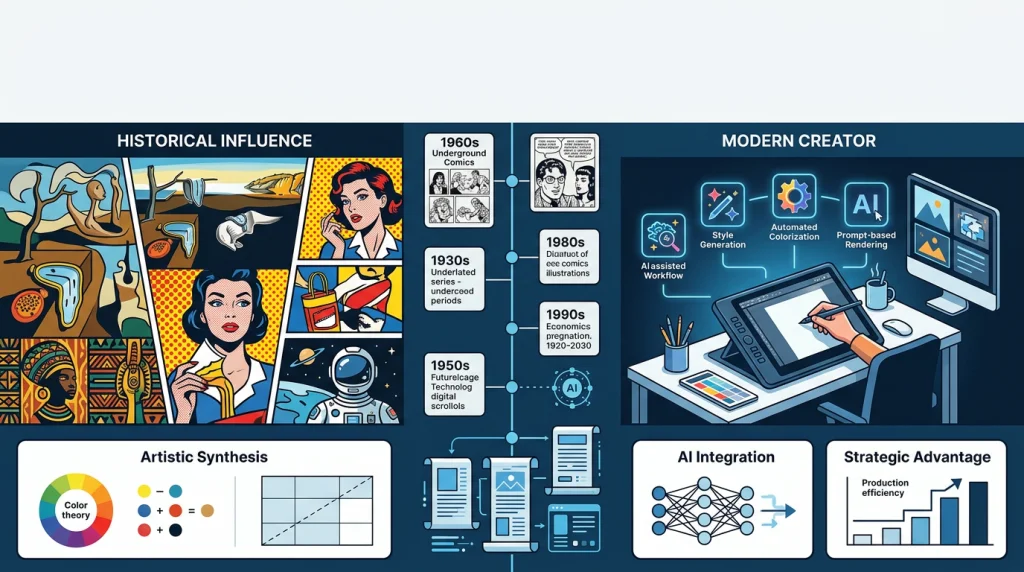
- Artistic Synthesis: Modern comics are increasingly influenced by high-art movements, moving beyond superhero tropes into existential and sociopolitical commentary.
- AI Integration: Emerging tools are making it easier for creators to replicate complex historical art styles, provided they understand the underlying principles of composition and color theory.
- Strategic Advantage: Creators who leverage art history and AI tutorials can produce high-quality, unique aesthetic styles that stand out in a saturated digital market.
The News Breakdown: Where Art History Meets Sequential Storytelling
Recent exhibitions and scholarly publications highlight a massive shift in how the industry views the intersection of fine art and comics.
1. The High-Art Validation of Comics
The Museum of Contemporary Art Chicago (MCA) recently showcased "Chicago Comics: 1960s to Now," illustrating how regional movements have influenced the global comic landscape. This exhibition proves that comics are no longer just entertainment; they are historical records of urban life and cultural shifts. Similarly, The Art Newspaper reports on how art history is fully embracing the comic book genre, with major institutions treating original panels with the same reverence as Renaissance sketches.
2. The KAWS Effect and Private Collections
The Comics Journal recently highlighted "The Way I See It: Selections from the KAWS Collection," which features the personal collection of the world-renowned artist KAWS. This collection bridges the gap between commercial toy design, street art, and traditional comic illustration, showing that the modern creator must be a polymath, comfortable in multiple visual languages.
3. Existentialism and Afrofuturism
PRINT Magazine explored the existential public persona of Krazy Kat, a strip that utilized surrealist backgrounds and avant-garde pacing long before they were mainstream. On the other end of the spectrum, The Metropolitan Museum of Art has focused on Afrofuturism in the Stacks, highlighting how black creators use the comic medium to reclaim history and project technologically advanced futures, blending traditional African aesthetics with modern sci-fi.
Deep Dive Analysis & Constructive Insights
1. Connecting the Dots (Discoveries)
When we look at the KAWS collection alongside the MCA Chicago retrospective, a clear pattern emerges: the most successful modern creators are those who treat the comic page as a canvas for broader artistic movements. We are seeing a "Fine Art-ification" of the medium. The discovery here is that the most successful digital comics today aren't just following the Marvel/DC house style; they are borrowing from Surrealism, German Expressionism, and Minimalism. This cross-pollination is what allows a creator to break through the noise of the 24-hour social media cycle.
2. The Ripple Effect (Second-Order Consequences)
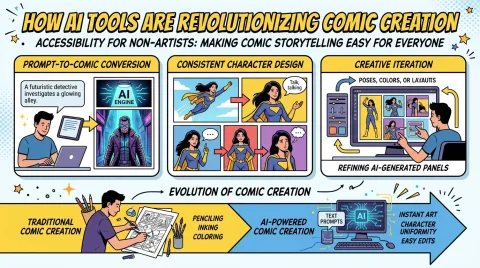
As art history becomes more integrated into comics, the barrier to entry for "prestige" work is changing. This has led to the rise of AI art tutorials and digital comics guides that focus on style transfer.
- For Creators: You no longer need a four-year degree in fine arts to experiment with the lighting of Caravaggio or the dots of Lichtenstein.
- For the Industry: We will see a surge in niche, high-concept graphic novels that prioritize aesthetic experimentation over mass-market appeal.
- For Consumers: The expectation for visual literacy is rising. Readers want more than just a story; they want a visual experience that feels curated and historically grounded.
3. Constructive Viewpoints & Actionable Takeaways
To thrive in this new landscape, creators must adopt a hybrid workflow that respects the past while utilizing the future. Here are my strategic comic creator tips for the modern era:
- Study the Masters, Not Just the Illustrators: If you want to improve your panel layouts, don't just look at other comics. Look at the cinematography of noir films or the spatial arrangements in Renaissance frescoes. This will give your work a depth that your peers lack.
- Implement a "Style-First" AI Workflow: When getting started with AI art, use it as a brainstorming tool rather than a final product. Use tools like Midjourney or Stable Diffusion to generate "mood boards" based on specific art movements (e.g., "A cyberpunk city in the style of Edward Hopper"). This helps you establish a unique visual identity before you draw a single line.
- Master the Digital Comics Guide: Focus on the "Digital-First" reading experience. Modern art history tells us that the medium dictates the message. If your comic is being read on a vertical scroll (Webtoons), your art should reflect the fluid, continuous nature of ancient scrolls rather than the static boxes of 20th-century newspapers.
- Actionable Step: Spend 30 minutes this week researching one art movement (like Dadaism or Bauhaus) and try to incorporate one element of its philosophy into your next character design or background.
Sources & Methodology
This analysis was compiled by synthesizing current exhibition data from the Museum of Contemporary Art Chicago, archival research from The Metropolitan Museum of Art, and industry reporting from The Comics Journal and The Art Newspaper. Our methodology focuses on identifying the intersection of historical art movements and modern digital creation tools to provide a forward-looking guide for independent creators.
Copyright © 2026 TabStory.net. All rights reserved.