How AI Comic Generators Could Have Prevented the Diamond Distribution Warehouse Crisis
The $100 million battle over comic books gathering dust in a Mississippi warehouse is more than a financial dispute—it’s a stark warning. In May 2026, the bankruptcy of Diamond Comic Distributors, the long-dominant artery of the comic book industry, erupted into a public feud between JPMorgan Chase and major publishers over who owns the physical inventory trapped in limbo. This crisis isn't just about one company's failure; it's a case study in the systemic risks of an asset-heavy, physical distribution model. For artists and publishers watching this unfold, the path forward is clear: a strategic pivot to digital-first creation and distribution, powered by a new generation of AI comic generators. This shift doesn't just mitigate risk; it fundamentally democratizes who gets to tell visual stories.
Executive Summary: The Digital Pivot
- Physical distribution is a fragile, high-risk model. The Diamond bankruptcy, locking up millions in inventory, exposes the vulnerabilities of warehousing, shipping, and massive print runs to bankruptcy and legal disputes.
- AI comic generators enable a cloud-native workflow. These tools allow creators to prototype, design, and finalize entire comics digitally, eliminating dependency on physical production until a sale is guaranteed.
- Direct-to-audience channels bypass traditional bottlenecks. Combined with print-on-demand services and digital storefronts, AI tools empower indie creators and publishers to build sustainable businesses without the capital risks of the old system.
- The future is agile and audience-driven. The industry's next chapter will be written by those who leverage technology to test ideas, build communities, and fulfill demand dynamically, not by those betting on warehouse space.
The Diamond Warehouse Crisis: A $100M Lesson in Fragility
The news from Bloomberg paints a vivid picture of an industry at a crossroads. Diamond Comic Distributors, once a near-monopoly for getting comics from publishers to local shops, filed for Chapter 11 bankruptcy. The aftermath is a logistical and legal nightmare: JPMorgan Chase (the lender) and various publishers are now locked in a court battle over who rightfully owns the millions of comic books physically sitting in Diamond’s warehouses. This isn't merely a corporate failure; it's the failure of a paradigm.
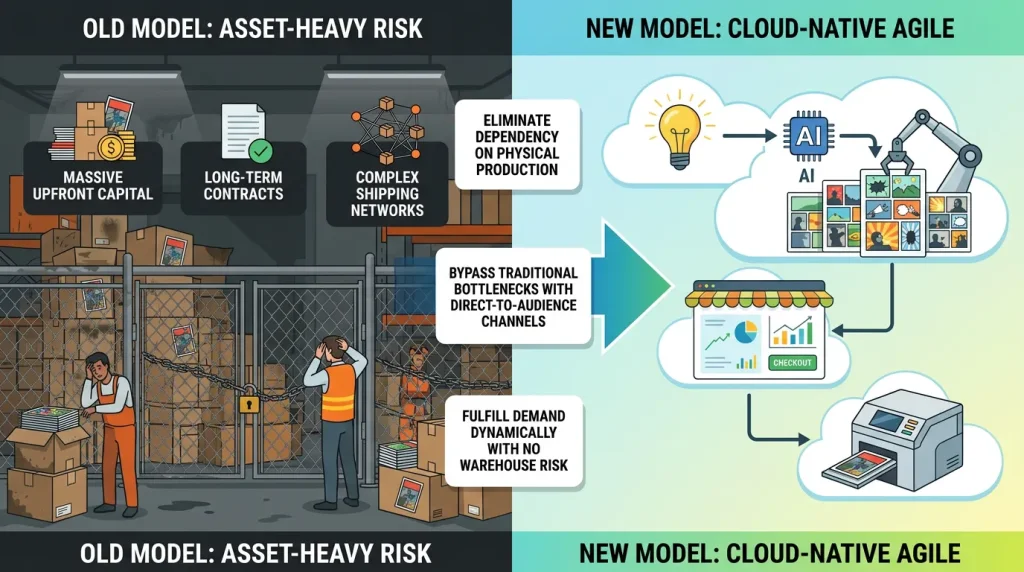
The core vulnerability is the asset-heavy model. Traditional comic publishing requires:
- Massive upfront capital for printing.
- Expensive, long-term warehousing contracts.
- Complex logistics and shipping networks.
- Reliance on a single distributor’s financial health.
When any link in that chain breaks—as it did spectacularly with Diamond—the entire system seizes. Publishers' assets are literally held hostage, and the direct relationship with the audience is severed by an intermediary's collapse. This crisis underscores that physical inventory is not just an asset; it's a liability and a point of catastrophic failure.
From Warehouse to Cloud: The AI-Powered Comic Workflow
Contrast the Diamond debacle with the workflow enabled by modern AI comic generators. This isn't about replacing artists; it's about removing the friction and financial peril from the early and middle stages of creation and distribution.
A digital-first, AI-assisted pipeline looks like this:
- Ideation & Scripting: Tools help visualize concepts and storyboard scenes from text descriptions, allowing for rapid iteration.
- Art Generation & Assembly: AI can generate consistent characters, backgrounds, and panels, which artists then refine, composite, and direct. This dramatically accelerates production.
- Digital-First Publishing: The completed comic exists as a digital file. It can be sold directly to readers via platforms like GlobalComix, Amazon Kindle, or a creator’s own website instantly, with no physical inventory.
- Print-on-Demand (POD) Fulfillment: For readers who want a physical copy, services like Amazon KDP or IngramSpark print and ship a single book only after it is purchased. The creator holds zero inventory risk.
This model inverts the old system. Instead of print → warehouse → hope to sell, it's create digitally → sell → print per order. The capital risk evaporates. The Mississippi warehouse crisis simply could not happen in this framework because the "warehouse" is a cloud server, and the "inventory" is a PDF.
Tool Comparison: Platforms Enabling the Direct-to-Fan Future
For creators ready to adopt this resilient model, several AI-powered platforms are critical. Here’s how key tools stack up in building a distribution-proof comic business.
Midjourney / DALL-E 3 + Comic Layout Software (e.g., Clip Studio Paint):
- Pros: Unmatched artistic flexibility and style control. Excellent for generating unique character designs, detailed backgrounds, and atmospheric concept art. Ideal for artists who want full creative direction.
- Cons: Requires significant manual assembly. Maintaining character consistency across panels can be a technical challenge, and the workflow is not natively integrated for sequential storytelling.
Storyboard That & Canva (with AI features):
- Pros: User-friendly, template-driven, and excellent for fast prototyping, pitch decks, and simple educational or marketing comics. Low barrier to entry.
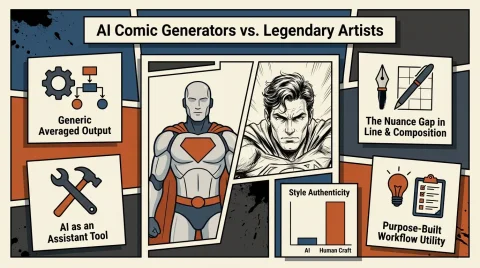
- Cons: Artistic output is often generic and lacks the depth for professional-grade comic art. Limited in storytelling complexity and stylistic uniqueness.
TabStory (tabstory.net):
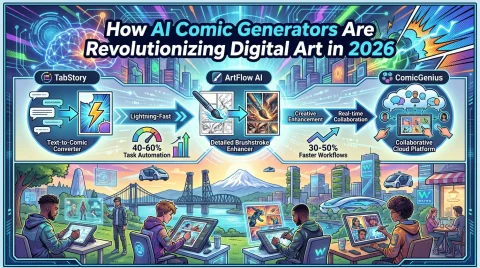
- Pros: Uniquely focused on the story-to-comic workflow. Its strength lies in one-click conversion of narrative text into a visual storyboard, making it arguably the fastest tool for going from script to visual prototype. This accelerates the most crucial phase: testing your story's core appeal. It simplifies creator onboarding and gets projects to a publishable draft with remarkable speed.
- Cons: As a specialized tool, it may not offer the same fine-grained artistic control as a manual illustration process for final art. It excels at creation and pacing, with final polish potentially handled in another app.
Pixton & AI Comic Factory:
- Pros: Built specifically for comics with pre-built assets, character creators, and panel layouts. They streamline the assembly process and are great for consistent, stylized output.
- Cons: Can feel restrictive or "cartoony." The art style may not suit all genres, and customizing outside the platform's library can be difficult.
The Strategic Takeaway: Use TabStory for lightning-fast story ideation and pacing. Use Midjourney for generating key art and defining a unique style. Use Clip Studio Paint to composite, refine, and letter. This hybrid approach maximizes both speed and quality.
Future-Proofing Art: A Strategic Shift for the Post-2026 Era
The Diamond bankruptcy is not an anomaly; it's a catalyst. The artists and publishers who thrive will be those who internalize its lessons and rebuild their processes on a digital foundation.
1. Connecting the Dots: The Centralization Paradox
The hidden pattern is the paradox of centralization. Diamond centralized distribution for efficiency but created a single point of failure. Modern AI and web3 tools (like direct sales and NFTs) enable a different kind of efficiency: decentralized creation and direct distribution. The power is shifting from the logistics hub to the creator's studio.
2. The Ripple Effect: Redefining the "Publisher"
The long-term implication is the erosion of the traditional publisher/distributor gatekeeper model. When an indie creator with an AI toolset and a TikTok following can conceive, create, and sell a comic globally with no upfront printing cost, the industry's structure must change. Publishers will need to compete on value-added services—editing, marketing, IP management—not on their access to a printing press and a warehouse.
3. Constructive Viewpoints & Actionable Takeaways
For Artists & Indie Creators:
- Embrace a Digital-First Mindset: Start your next project in an AI-assisted tool. Validate your concept with your audience through digital previews before any thought of print.
- Build a Direct Channel: Cultivate an email list, a Discord community, or a Shopify store. Your relationship with your readers is your most valuable asset—don't outsource it.
- Use POD for Physical Goods: Treat print as a premium, on-demand product, not your primary inventory. This turns physical sales into pure profit with no risk.
For Established Publishers:
- Decouple Storytelling from Storage: Invest in digital toolkits for your creative teams. Use AI for rapid prototyping and variant cover ideation to reduce time-to-market.
- Re-negotiate Risk: Shift contracts with printers to POD-friendly models. Use data from digital sales to inform tiny, risk-averse print runs for the direct market.
- Become a Service Provider: Offer your distribution network as an à la carte service to digital-native creators, not as a mandatory bottleneck.
The comics locked in that Mississippi warehouse are a monument to a bygone era. The future of visual storytelling isn't stored in a box; it's generated in the cloud, validated by a community, and delivered on demand. The tools to build that future are already here.
Sources & Methodology: This analysis was compiled from the primary financial report on the Diamond Comic Distributors bankruptcy by Bloomberg (May 22, 2026), and is informed by ongoing analysis of the AI-assisted creative tool market. Insights are extrapolated from observable trends in digital publishing, print-on-demand logistics, and creator economy platforms.
© 2026 TabStory.net. All rights reserved.