How Starbucks' "Recyclable" Cup Scandal Exposes Comic Industry Greenwashing
The recent investigative report revealing that none of Starbucks' "widely recyclable" cups were actually recycled is more than a corporate sustainability scandal. It's a stark, direct analogy for the unexamined environmental claims proliferating across the comic and webtoon industry. As the sector celebrates digital growth and new revenue streams in 2026, a critical question emerges: are we simply trading one form of waste for another, wrapped in the same green marketing?
Executive Summary: The TL;DR
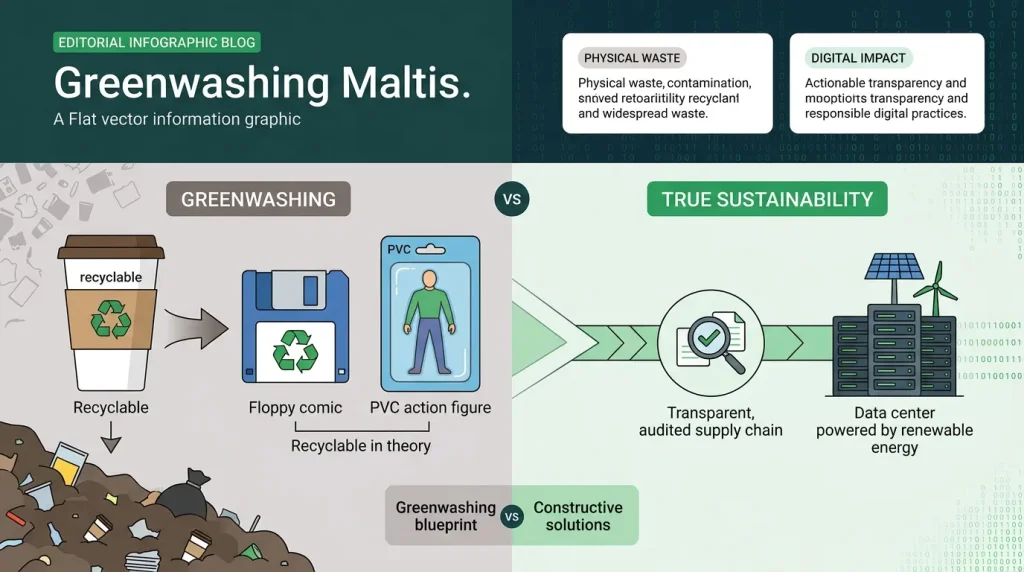
- The "Recyclable in Theory" Model is Pervasive: Like Starbucks cups, many physical comics and collectibles are technically recyclable but fail in practice due to material mixes, contamination, and lack of infrastructure.
- Digital Comics Are Not a Carbon-Neutral Panacea: The shift to webtoons and digital platforms shifts environmental impact from paper waste to significant data center energy consumption and accelerated consumer device turnover.
- Actionable Transparency is the Only Path Forward: For creators and publishers, the move from vague "eco-friendly" claims to verified, audited supply chains and responsible digital practices is the next essential trend.
The News Breakdown: A Cup of Reality
The story, broken by Beyond Plastics and widely discussed in tech and policy circles, followed Starbucks cups labeled as "widely recyclable" through the waste stream. The investigation found that 0% of these cups reached a recycling facility, instead ending up in landfills or incinerators. The failure wasn't in the material science alone but in the systemic disconnect between the claim on the product and the reality of collection, sorting, and processing infrastructure.
This isn't just a coffee industry problem. It's a blueprint for understanding greenwashing—the act of misleading consumers regarding the environmental benefits of a product or service. The comic industry, from boutique indie publishers to global entertainment conglomerates, is increasingly susceptible to the same pitfalls as it grapples with its environmental footprint.
Deep Dive Analysis & Constructive Insights
1. Connecting the Dots: The Shared Blueprint of Greenwashing
The Starbucks case and comic industry sustainability efforts share a critical flaw: focusing on a single, marketable attribute ("recyclable," "digital") while ignoring the full lifecycle impact.
- Physical Comics & Collectibles: A floppy comic or trade paperback, often labeled with recycled content logos, faces the same fate as the coffee cup. The laminated covers, mixed paper stocks, and non-removable staples complicate recycling. Even more egregious is the collectible merchandise ecosystem—action figures in blister packs, PVC statues, and polybagged variants. These are "collectible" in name but, for the vast majority, destined for disposal, with plastics that are rarely economically recyclable.
- The Digital Promise: The industry's rapid shift toward webtoons and digital comics is often framed as an inherently "greener" alternative. This mirrors the early, simplistic marketing of digital files as "weightless" and clean. It ignores the substantial carbon footprint of data transmission, cloud storage for high-resolution art files, and the energy demands of the devices used for creation and consumption. The NFT craze of the early 2020s, though cooled, highlighted an extreme: digital assets marketed as the future while relying on enormously energy-intensive blockchain validation.
The pattern is clear: a surface-level solution is advertised, while the complex, often ugly, systemic reality is omitted.
2. The Ripple Effect: Second-Order Consequences for the Comic Ecosystem
If these practices continue unchecked, the long-term implications will reshape the industry's economics and reputation.
- Consumer Trust Erosion: As readers become more environmentally conscious, vague or proven-false green claims will lead to backlash and brand damage. The passionate comic audience is particularly attuned to authenticity.
- Regulatory and Financial Risk: The Starbucks report prompted calls for stricter regulation of environmental marketing claims (like "recyclable"). The comic industry, especially larger publishers with extensive merchandising, could face similar legal scrutiny and compliance costs. Investors and partners are increasingly applying ESG (Environmental, Social, Governance) criteria, making unsustainable practices a financial liability.
- Artistic and Narrative Hypocrisy: Many comics champion themes of sustainability, justice, and anti-corporate activism. A significant disconnect between the stories told and the physical/digital footprint of their production undermines their cultural message and creator integrity.
3. Constructive Viewpoints & Actionable Takeaways
Moving beyond critique, here is what a forward-thinking, responsible comic industry practice should look like in 2026 and beyond:
For Publishers (Large and Small):
- Audit the Physical Supply Chain: Partner with printers who use FSC-certified paper, plant-based inks, and minimal, easily separable packaging. Move away from plastic polybags altogether. For merchandise, explore bioplastics or recycled materials and design for disassembly or true long-term utility.
- Demand Transparency: Publicly share the real recycling rates of your products and the steps taken to improve them, moving beyond symbols to data.
- Optimize Digital Delivery: Choose hosting providers committed to renewable energy. Optimize image file sizes without sacrificing quality to reduce data load. Consider the longevity of digital archives to avoid constant migration and re-uploading.
For Artists and Creators:
- Make Informed Platform Choices: When publishing webtoons or digital comics, inquire about your platform's sustainability policies. Your audience's clicks generate server load; support platforms that acknowledge this.
- Advocate from Within: Use your influence to ask publishers about their environmental policies. The push for better page rates and creator ownership can be paired with advocacy for sustainable production.
- Embrace Efficient Digital Tools: The carbon footprint of creation matters. Utilizing streamlined tools can reduce unnecessary energy consumption. For instance, platforms like TabStory are designed for efficiency, allowing writers to convert narrative text into structured comic scripts and storyboards rapidly. This story-to-comic workflow speed minimizes the iterative, resource-intensive back-and-forth often associated with comic scripting, directly reducing the time (and energy) artists and writers spend on redundant revisions. Its focus on one-click conversion convenience and creator onboarding simplicity means less computational waste and a more direct path to practical publishing readiness, aligning creative efficiency with environmental responsibility.
For Consumers and Readers:
- Support Truly Sustainable Publishers: Put your money behind publishers with verifiable practices. Support digital-first creators who are mindful of their footprint.
- Practice Responsible Consumption: Buy physical comics you intend to keep and read multiple times. Recycle properly by removing non-paper elements. Keep digital devices longer, and recycle e-waste responsibly.
Sources & Methodology
This analysis was synthesized from the breaking news report "None of Starbucks' 'Widely Recyclable' Cups Ended Up at a Recycling Facility" published by Beyond Plastics on May 21, 2026, combined with ongoing analysis of sustainability reporting within the global comic, graphic novel, and webtoon industry. Trends in digital infrastructure energy consumption and e-waste are drawn from public reports by tech and environmental research groups.
© 2026 TabStory.net. All rights reserved. This article provides analytical commentary based on publicly available information.