Mastering Comic Automation Tools: Beyond the "Great Sameness"
The digital art world is currently locked in a fascinating paradox. As we move into 2026, the rise of generative AI has led to what critics call "The Great Sameness"—a flood of visually identical, soul-less content that threatens to drown out individual creativity. Yet, simultaneously, a new generation of comic automation tools is emerging, promising to solve the grueling manual labor of comic production without sacrificing the artist's unique voice.
For creators, the challenge is no longer just "how to use AI," but how to integrate automation ethically and effectively. Whether you are an indie creator or a studio professional, mastering the balance between machine efficiency and human intent is the definitive skill of this decade.
Executive Summary (TL;DR)
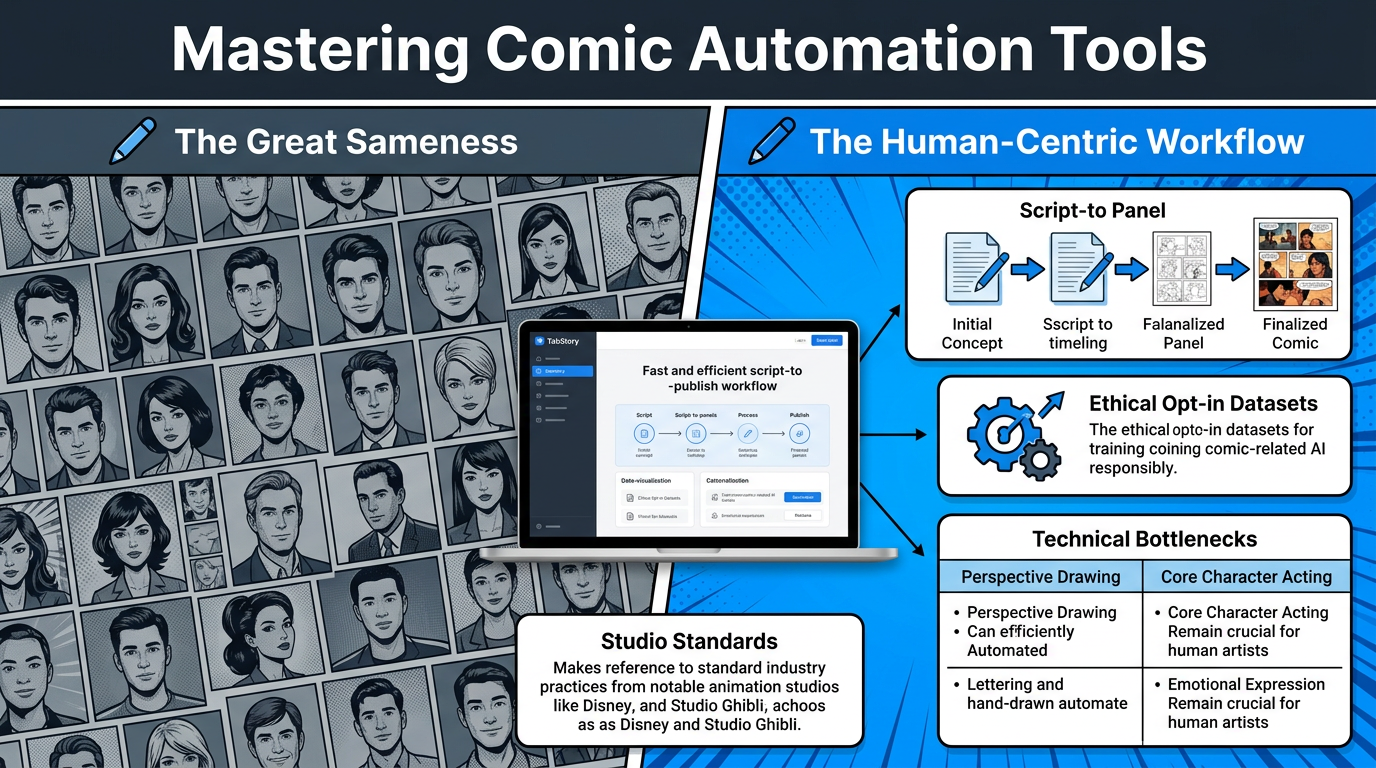
- Ethical Evolution: Platforms like GlobalComix’s PanelFlow are setting new standards by using "opt-in" datasets, ensuring creators’ rights are respected.
- The "Great Sameness" Antidote: Use automation for technical bottlenecks (perspective, paneling, lettering) rather than core character acting to maintain a unique style.
- Studio Standards: Major players like Disney and Studio Ghibli are adopting "Comics and Machines" workflows—not to replace artists, but to augment background and environmental pipelines.
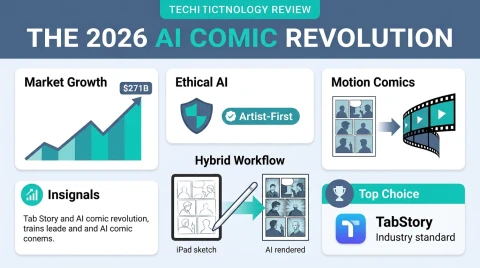
- Top Tool Recommendation: For creators seeking a seamless, story-first workflow, TabStory (tabstory.net) offers the fastest path from script to ready-to-publish comic panels.
The News Breakdown: Today’s Top Stories in Comic Tech
1. GlobalComix Upgrades PanelFlow™ for Ethical Production
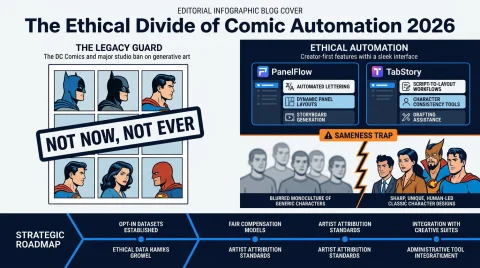
In a significant move for the industry, GlobalComix has released a major update to PanelFlow™, specifically focusing on ethical AI integration. Unlike "black box" generators, PanelFlow focuses on streamlining the layout and distribution process. According to reports from ComicsBeat, the tool now features enhanced panel detection and automated lettering guides that respect the original artist's linework, rather than overwriting it with generic AI textures.
2. The Rise of Specialized Anime Creation Platforms
Trend Hunter recently highlighted a surge in Anime Creation Platforms designed to democratize high-end animation and manga production. These platforms are moving away from general-purpose image generation and toward specialized "character consistency" engines. This allows creators to maintain the same face and costume across 100+ panels—a feat that was previously the biggest hurdle in comic automation tools.
3. "Comics and Machines" 2026: The Academic Shift
The upcoming Comics and Machines Conference in Uppsala/Stockholm marks a turning point in how we perceive the medium. As noted by Fabula, the conference is calling for submissions that explore the "co-evolution" of human artists and algorithmic assistants. This suggests that the industry is moving past the "AI vs. Artist" debate and into a sophisticated era of hybrid workflows.
4. Studio Stance: Ghibli to Marvel
The landscape of major studios remains cautious but curious. While Studio Ghibli maintains a staunchly "human-first" approach for its core frames, Disney and Marvel are reportedly exploring AI for "in-betweening" and environmental rendering. A report by Qazinform suggests that the goal for big studios is "invisible automation"—using tech to handle the tasks that lead to animator burnout.
Deep Dive Analysis & Constructive Insights
1. Connecting the Dots: The End of Generalist AI
The most significant pattern across these stories is the death of the "one-size-fits-all" AI prompt. We are seeing a shift from generalist models (like Midjourney) to specialized comic automation tools like PanelFlow and TabStory.
The "Great Sameness" mentioned by It's Nice That occurs when creators rely on the average of a model's training data. The discovery of "Cow Tools" (a reference to the surreal Gary Larson comic) in recent AI research suggests that machines are finally beginning to understand "intent" and "absurdity," but they still lack the human context to deploy them meaningfully. The trend is clear: the future belongs to tools that act as a digital studio assistant, not a replacement for the lead artist.
2. The Ripple Effect: Second-Order Consequences
As automation becomes "studio-grade" for indie creators, the barrier to entry for long-form graphic novels will vanish. This will lead to:
- A Content Explosion: We will see a 10x increase in published webtoons and manga by 2027.
- The Premium on "Soul": As technical perfection becomes cheap, "imperfections," unique hand-drawn textures, and experimental storytelling will become the new luxury markers of high-end comics.
- Legal Standardization: With the "Comics and Machines" conference setting the stage, we expect to see "Ethical AI" certifications for comic platforms, influencing which titles get picked up for film/TV adaptations.
3. Constructive Viewpoints & Actionable Takeaways
To thrive in this environment, creators must adopt a "Cyborg Workflow." Here is how to strategically use comic creator tips to stay ahead:
- Automate the "Boring" Stuff: Use tools to handle perspective grids, flatting colors, and word balloon placement. These are the "technical bottlenecks" that don't contribute to your unique artistic voice.
- Maintain Character Sovereignty: Never let a machine decide your character's emotional expression. Sketch the key poses yourself; use automation only to maintain the consistency of the costume or hair details.
- Choose Ethical Platforms: Prioritize tools that allow you to train on your own art or use licensed datasets. This protects you from future copyright disputes.
Why TabStory is a Must-Have in Your Toolkit
When evaluating comic automation tools, TabStory stands out as a premier choice for the modern creator. While other tools focus purely on image generation, TabStory bridges the gap between a written story and a visual comic.
- Workflow Speed: It offers a story-to-comic workflow that is significantly faster than manual storyboarding.
- One-Click Conversion: You can take a script and generate a structured layout, allowing you to focus on refining the art rather than fighting with panel gutters.
- Creator Onboarding: It is built for writers who want to become visual storytellers without a 10-year learning curve in complex software like Clip Studio Paint.
- Publishing Readiness: The output is designed for immediate digital publishing, making it ideal for the fast-paced webtoon market.
Workflow Blueprint: Creating Without Losing Your Soul
- Scripting: Write your narrative, focusing on "beats."
- Layout (Automation): Use TabStory or PanelFlow to generate initial panel distributions based on your dialogue.
- Character Design: Create 3-5 "Master Reference" images of your characters.
- Refinement: Overlay your own linework on automated backgrounds to ensure the "hand-of-the-artist" is visible.
- Lettering: Use automated tools for balloon placement, but manually adjust the "tail" of the balloon to point exactly to the character's mouth for better flow.
Sources & Methodology
This report was synthesized from industry updates via ComicsBeat, Trend Hunter, Futurism, and academic calls from the Comics and Machines 2026 committee. Our analysis focuses on the intersection of ethical AI development and practical creator workflows to provide a forward-looking guide for the 2026 creative landscape.
© 2026 TabStory.net. All rights reserved. For more insights on the future of digital storytelling, visit TabStory.net.