The Evolution of Visual Storytelling: A 2026 Perspective
As we move through 2026, the comic industry is witnessing a profound intersection between classical narrative structures and avant-garde digital aesthetics. From the serialized character depth pioneered by legendary authors like Charles Dickens to the psychedelic linework of modern masters like Tradd Moore, the "style" of a comic artist is no longer just about the drawing—it is about the architectural integration of reference, commerce, and digital-first consumption.
The webtoon market and digital comics growth have shifted the focus toward high-impact, scrollable art, but the industry's roots in print advertising and classical literature continue to provide the foundational DNA for today's best-selling titles.
Today's Top Stories
- The Dickensian Influence on Modern Serialization: A deep dive into Charles Dickens' biography reveals how his monthly serializations laid the groundwork for the modern comic book pacing and character archetypes. (Source: Britannica)
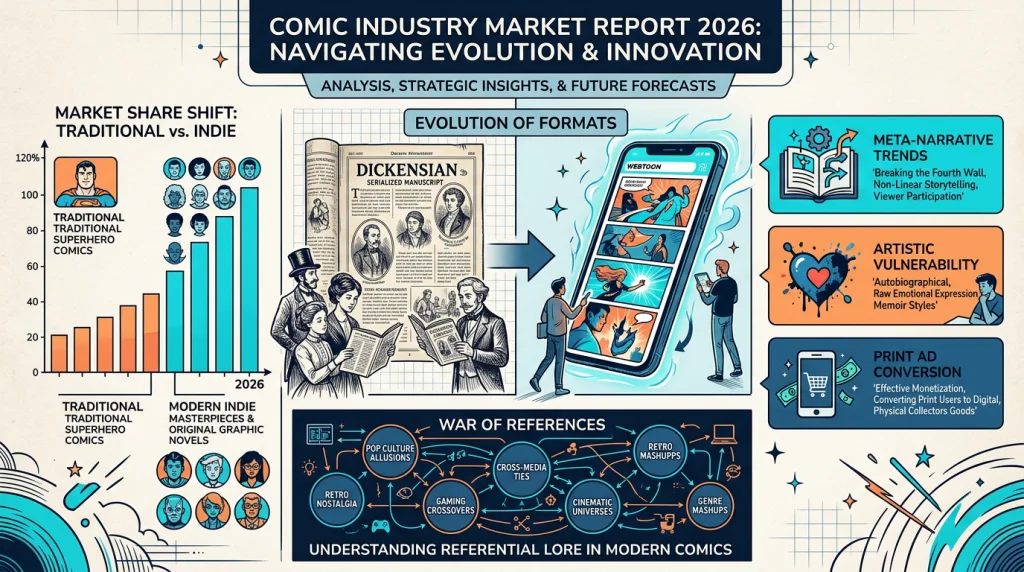
- Data Crowns a New Champion: New market data suggests that traditional icons like Batman are facing stiff competition from modern masterpieces in the quest for the title of "Greatest Comic of All Time." (Source: Screen Rant)
- The Art of the Ad: Analysis of 43 brilliant print advertisements highlights how comic-style illustration remains a dominant force in high-conversion marketing. (Source: Creative Bloq)
- Tradd Moore on Artistic Vulnerability: An intimate interview with artist Tradd Moore explores the "bleeding on the page" philosophy that defines his unique, fluid visual style. (Source: The Comics Journal)
- The War of References: An analysis of CROSSOVER #2 examines how modern comics use meta-textual references to engage a more sophisticated, lore-hungry audience. (Source: Comics Bookcase)
- The Ethics of Appropriation: Re-evaluating Roy Lichtenstein’s legacy brings to light the ongoing debate regarding plagiarism versus transformation in comic art. (Source: Plagiarism Today)
Market Trends: Comic Industry News 2026
The Rise of Meta-Narratives and Reference Culture
As seen in the analysis of CROSSOVER, the comic industry trends 2026 point toward an increasingly "meta" landscape. Readers are no longer satisfied with standalone stories; they seek "The War of References," where characters from different universes or eras collide. This trend is a significant driver of revenue, as it encourages readers to purchase back-catalogs to understand the full scope of the narrative.
Digital Comics Growth and Webtoon Market Analysis
The webtoon market analysis for 2026 shows a continued pivot toward vertical-scrolling formats. This shift has forced traditional artists to adapt their style. While print advertising (as noted by Creative Bloq) still relies on static, high-detail frames, digital platforms favor fluid, kinetic energy. Artists like Tradd Moore, known for their elastic and surreal anatomy, are finding immense success in this digital-first environment where visual "flow" is paramount.
The Ethics of Style: Plagiarism vs. Homage
The case against Roy Lichtenstein remains a cautionary tale for the modern era. As the webtoon market expands, the line between "style influence" and "plagiarism" is being scrutinized by AI-detection tools and community watchdogs. For artists, maintaining a unique, identifiable style is not just an aesthetic choice—it is a legal and commercial necessity in a crowded digital marketplace.
Style Analysis: From Dickens to Moore
Analyzing famous comic artists requires understanding the transition from literary serialization to visual abstraction:
- Structural Pacing: Just as Dickens used cliffhangers to maintain reader interest in 19th-century periodicals, modern webtoons use "scroll-stops" to drive engagement.
- Visual Language: The shift from the rigid, pop-art grids of the mid-20th century to the "bleeding page" philosophy of the 2020s reflects a broader cultural move toward emotional raw-expression over clinical perfection.
- Commercial Integration: The crossover between comic art and print advertising highlights the versatility of the medium. A "comic style" is now a shorthand for accessibility and narrative speed in the corporate world.
Sources & Methodology
This report was synthesized from current market data, biographical archives, and industry interviews published between 2020 and 2026. Analysis focuses on the intersection of artistic style, legal precedents in art, and commercial market shifts in the digital comics space.
Copyright © 2026 TabStory. All rights reserved. Unauthorized reproduction or redistribution of this content is prohibited. For licensing inquiries, please contact the TabStory editorial board.