The visual language of manga is undergoing its most radical transformation since the introduction of digital screentones. From the hand-drawn precision of legendary mangaka to the algorithmic complexity of modern generative models, the manga art style evolution is no longer just a matter of aesthetic preference—it is a technological arms race. As we move into 2026, the intersection of traditional craftsmanship and AI art review metrics is defining how stories are told and consumed. Whether it is the controversial new aesthetics in the Pokémon TCG or the seamless transition from photo to anime via neural networks, the tools are changing the very soul of the medium.
Executive Summary (TL;DR)
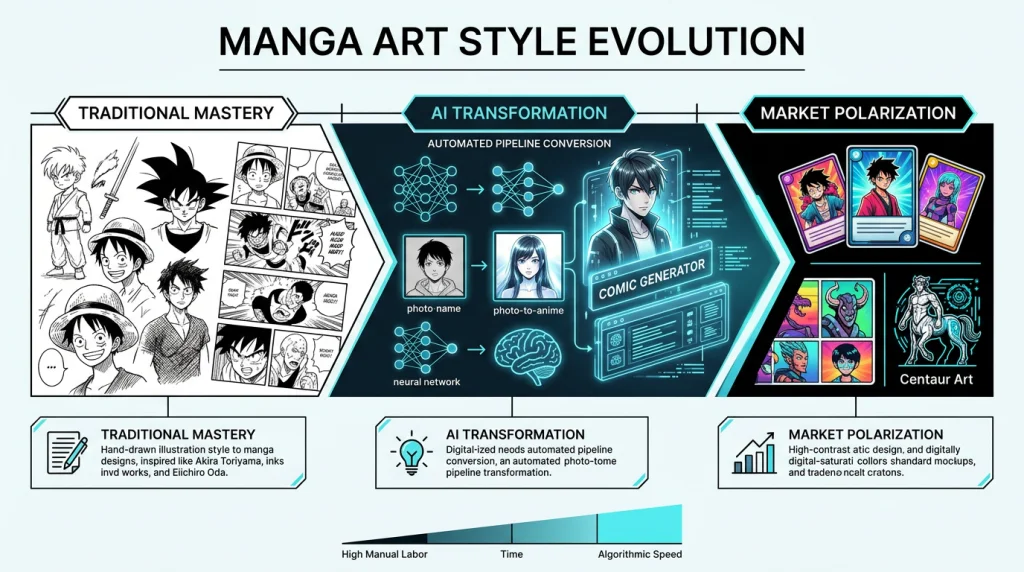
- Traditional Mastery vs. Tech: Legendary artists like Akira Toriyama and Eiichiro Oda (One Piece) showed that style evolution was historically driven by physical constraints and narrative shifts, whereas modern evolution is driven by AI visual transformation.
- AI Tool Proliferation: New AI comic generators are moving beyond simple face-swaps to sophisticated photo-to-anime pipelines, challenging the definition of "original" art.
- Market Polarization: Fans remain deeply divided over tech-driven aesthetic shifts, as seen in the recent backlash/debate over Mega Attack Rare cards in the Pokémon community.
- Strategic Takeaway: For digital artists, the future lies in "Centaur Art"—blending human creative direction with high-performance AI tools to maintain stylistic soul while increasing output.
The News Breakdown: Today's Top Stories
1. The Legacy of Style: From Toriyama to One Piece
Recent retrospectives highlight that style evolution was once a slow, deliberate process. Screen Rant notes that Akira Toriyama’s style shifted significantly after Dragon Ball ended, moving toward leaner, more angular designs. Similarly, Crunchyroll recently engaged fans in a debate over the massive aesthetic shifts in One Piece, from the rubbery, simple lines of the East Blue saga to the hyper-detailed, chaotic energy of the Wano Country arc. These shifts were historically manual, reflecting the artist's aging, health, or personal interest.
2. The AI Transformation: Photo-to-Anime Pipelines
According to The Nation Newspaper, we have entered a new era of AI visual transformation. The technology has matured from rudimentary face-swaps to sophisticated photo-to-anime art generators. These tools allow creators to bypass years of anatomy study, instantly converting real-world reference photos into stylized manga panels. This represents a pivotal moment in the AI art review landscape, where the barrier to entry for sequential storytelling has effectively vanished.
3. Commercial Friction: Pokémon’s Aesthetic Divide
The commercial application of new art styles is proving volatile. Wargamer reports that Pokémon fans are divided over the new Mega Attack Rare cards. The cards utilize high-contrast, digitally-saturated effects that some fans claim feel "over-processed" compared to the classic hand-painted feel of earlier sets. This friction highlights a growing tension between traditional collectors and the push for tech-forward, "extreme" visual styles.
4. Cultural Expansion: BL and Cosmic Consciousness
The evolution isn't just technical; it's thematic. Nippon.com explores how the evolution of "Boys’ Love" (BL) culture is using style shifts to spark social change, while Observer highlights artist Aya Takano, who uses a manga lens to channel "cosmic consciousness" in Los Angeles galleries. These instances show that as tools evolve, the subject matter of manga-style art is expanding into high art and social activism.
Deep Dive Analysis & Constructive Insights
1. Connecting the Dots: The Death of the 'Static' Style
When we look at the transition from Akira Toriyama’s post-Dragon Ball work to the latest AI comic generator comparison data, a hidden pattern emerges: the "static style" is dead. Historically, an artist was expected to maintain a consistent look for decades. Today, the evolution of manga art style is characterized by fluidity. AI allows for "style-swapping" mid-series, and the market—as seen with the Pokémon Mega Attack Rares—is being forced to decide if it values consistency or innovation. The common thread is that technology is now the primary driver of aesthetic change, rather than the artist's physical hand.
2. The Ripple Effect: Second-Order Consequences
The widespread adoption of photo-to-anime tools will lead to a "Style Saturation" in the marketplace. When anyone can produce a high-fidelity manga page using a best tools for digital artists list, the value of technical execution will plummet, while the value of conceptual narrative and unique IP will skyrocket.
Furthermore, we will likely see a "Traditionalist Premium" emerge. Much like the vinyl record revival, manga drawn entirely by hand (or with minimal AI assistance) will become a luxury good. Competitors who rely solely on AI generators may find themselves trapped in a "race to the bottom" where their art looks like everyone else's, leading to a brand crisis for major publishers.
3. Constructive Viewpoints & Actionable Takeaways
As an analyst, I believe the industry is at a crossroads. Here is how stakeholders should navigate this evolution:
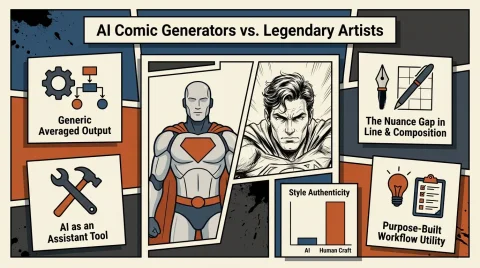
- For Professional Artists: Do not ignore the AI comic generator comparison charts. Instead of fighting the tools, use them for the "grunt work"—backgrounds, perspective grids, and base coloring. Save your human touch for character expressions and focal points. This "Centaur" approach (half-human, half-AI) is the only way to remain competitive in a high-volume market.
- For Investors and Publishers: Look beyond the visual polish. As AI makes "good art" cheap, focus on creators who demonstrate strong world-building and emotional resonance. The Pokémon card controversy proves that fans can smell "soul-less" tech from a mile away; ensure your tech-driven art still has a human editorial filter.
- For Consumers: We are entering a golden age of niche content. The lowering of technical barriers means more diverse voices (like those in the BL or cosmic art scenes) can tell their stories without needing a massive studio. Support the "weird" styles; they are the ones AI cannot easily replicate yet.
Sources & Methodology
This report was synthesized from current industry news (August–December 2025) and historical context from 2020-2021. Our methodology involves cross-referencing fan sentiment from gaming communities (Wargamer) with technical advancements in generative AI (The Nation) and historical artist trajectories (Screen Rant, Crunchyroll) to provide a holistic view of the manga ecosystem.
Copyright © 2026 TabStory.net. All rights reserved.