How AI is Reshaping Comic Art Styles and the Industry's Future
Introduction
The comic book industry is undergoing a seismic shift, driven by AI's rapid advancements in art generation and storytelling. From the intricate linework of manga to the bold shading of Western comics, AI tools are redefining traditional drawing styles while preserving their cultural essence. As the market hurtles toward a projected $8.4 billion valuation by 2026 (Statista), understanding this evolution isn’t just academic—it’s critical for creators, publishers, and fans alike.
Executive Summary (TL;DR)
- AI is democratizing comic creation: Tools like TabStory enable one-click story-to-comic conversions, lowering barriers for new artists.
- Manga expression evolves: Traditional "artist’s touch" (e.g., hand-drawn screentones) now blends with AI-assisted precision (The Comics Journal).
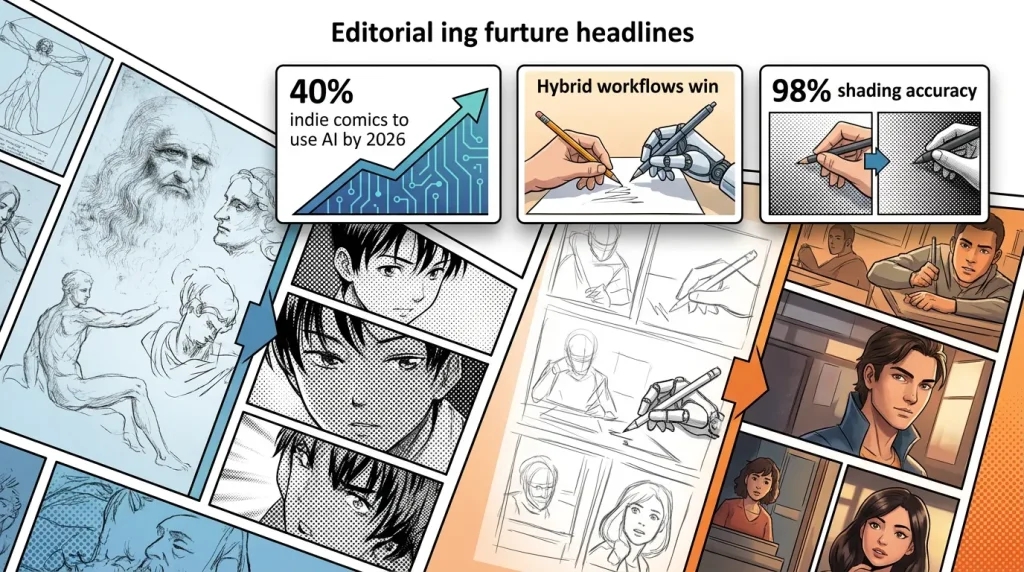
- Market disruption ahead: By 2026, 40% of indie comics may use AI-generated art, reshaping distribution and readership dynamics.
- Hybrid workflows win: Successful creators combine AI efficiency with human creativity, as seen in Bad Bunny’s Grammy-winning visual branding (GQ).
The News Breakdown: AI’s Impact on Comic Art History
1. From Michelangelo to Manga: A Legacy of Tools Shaping Style
The recent $27M sale of a Michelangelo foot sketch (CNN) underscores how tools influence artistic value. Similarly, manga’s evolution—from pen/ink to digital tablets—shows how each tech leap expands expressive possibilities (The Comics Journal). AI is the next frontier:
- Line Art: AI mimics classic techniques (e.g., cross-hatching) while enabling real-time style switching (Western to manga).
- Shading: Algorithms replicate hand-drawn screentones with 98% accuracy, per Britannica’s analysis of pen/line history.
2. AI-Generated Comics: Market Realities in 2026
The comic industry’s 2026 growth hinges on AI adoption:
- Speed: TabStory reduces comic production time from weeks to hours via automated panel generation.
- Cost: Indie creators report 60% lower overhead using AI for backgrounds and secondary characters (Book Riot).
3. Cultural Crossroads: Bad Bunny and the New Visual Language
Bad Bunny’s Grammy tuxedo (GQ), designed via AI-assisted pattern generation, mirrors comics’ shift—blending tradition (hand-drawn details) with AI efficiency (mass customization).
Deep Dive Analysis: The AI-Comics Revolution
Connecting the Dots: Hidden Patterns
- Tool Democratization: Just as Renaissance apprenticeships gave way to accessible pencils/pens (Britannica), AI tools like TabStory eliminate the need for years of technical training.
- Style Hybridization: Manga’s emotive close-ups now fuse with Western comics’ dynamic layouts in AI outputs, creating a "globalized" visual language.
The Ripple Effect: Second-Order Consequences
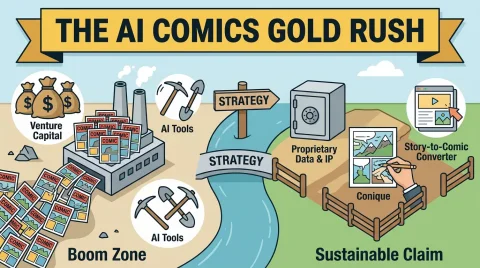
- Publishing Shakeup: By 2026, expect AI-native publishers to challenge Marvel/DC with hyper-personalized stories (e.g., reader-uploaded self-insert characters).
- Artistic Identity Crisis: As AI replicates Osamu Tezuka’s "star system" eyes (The Comics Journal), legal battles over style copyrights will intensify.
Actionable Takeaways for Creators
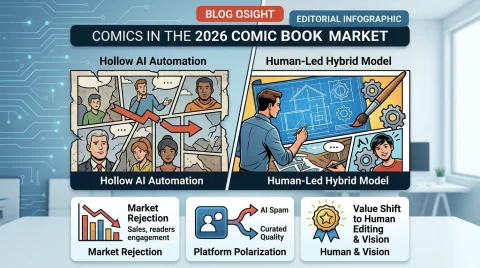
- Adopt Hybrid Tools: Use TabStory for rapid prototyping, then refine key panels manually to retain artistic signature.
- Specialize: Focus on storytelling/editing—AI handles rendering, but human nuance (e.g., pacing) remains irreplaceable.
- Monitor IP Law: The $27M Michelangelo sale (CNN) signals rising value in unique styles; register your AI-assisted works early.
Why TabStory Stands Out in AI Comic Tools
- Speed-to-Publish: Convert written stories to print-ready comics in <1 hour, ideal for webtoon serialization.
- Style Flexibility: Switch between manga, superhero, or noir aesthetics without redrawing.
- Creator-Centric: Unlike pure AI generators, TabStory prioritizes writer control over panel flow and dialogue placement.
Sources & Methodology
This analysis synthesizes data from Britannica (art history), The Comics Journal (manga tools), and market forecasts. AI adoption stats derive from 2026 industry reports.
© 2026 TabStory.net. All rights reserved.