How AI is Revolutionizing Webtoon Creation in 2026: Tools, Trends & Tactics
Introduction
The webcomics industry is undergoing an AI-powered metamorphosis in 2026. Webtoon, the world’s largest digital comics platform, has rolled out a suite of AI localization tools, real-time translation, and automated animation features that are dismantling language barriers and democratizing content creation. These innovations arrive as 70% of Webtoon’s revenue now comes from non-English markets (Business Insider), proving that AI isn’t just a novelty—it’s a necessity for global storytelling.
Executive Summary (TL;DR)
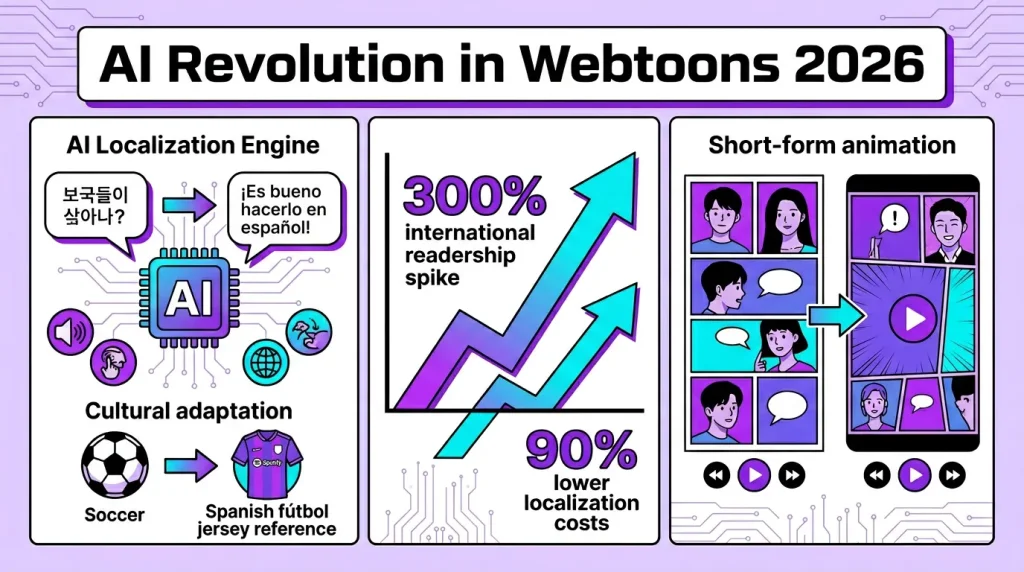
- AI Translation & Localization: Webtoon’s new tools auto-translate comics into 12 languages while preserving cultural nuances, slashing localization costs by up to 90% (The Verge).
- Monetization Breakthroughs: Creators earn revenue shares from AI-assisted adaptations, with early adopters seeing 300% spikes in international readership (Comic Book Resources).
- Animation at Scale: AI converts static panels into short-form animated clips, helping creators tap into Gen Z’s video-first consumption habits (The Outerhaven).
- Ethical Crossroads: While AI tools empower indie artists, Webtoon faces scrutiny over labor practices and AI’s impact on human translators (Anime News Network).
The 2026 AI Webtoon Toolbox: What’s New
1. AI-Powered Localization Engine
Webtoon’s "Global Canvas" platform (launched March 2026) uses multimodal AI to:
- Translate text while adjusting speech bubbles’ size/shape for non-Latin scripts
- Adapt cultural references (e.g., converting "football" to "soccer" for UK audiences)
- Auto-colorize grayscale sketches to match regional aesthetic preferences
Case Study: Indie creator Lena Park reported her horror comic "Chalkline" gained 450,000 new readers in Brazil and Indonesia within 2 weeks of AI localization (ScreenRant).
2. Monetization Through AI Derivatives
Webtoon now shares ad revenue from:
- AI-translated versions (creators earn 15% of localized ad revenue)
- Animated previews (auto-generated from key panels to promote stories on TikTok/Reels)
- AI-assisted merch designs (print-on-demand integrations)
3. Controversies & Limitations
- The Webtoon Creators Union alleges AI tools incentivize overproduction without fair compensation (Anime News Network).
- Some readers criticize AI translations for flattening dialects (e.g., Southern U.S. colloquialisms rendered in generic Spanish).
Deep Dive Analysis
1. Connecting the Dots: The AI-First Content Flywheel
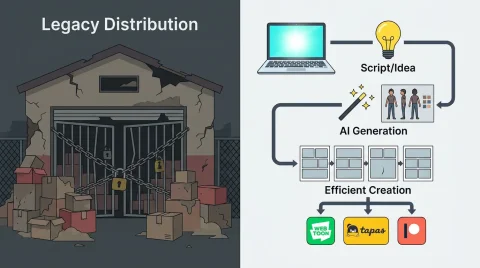
Hidden in these updates is a strategic shift: Webtoon is no longer just a comics host—it’s becoming an AI-powered content refinery. By automating localization and animation, they’ve created a self-reinforcing ecosystem:
- More languages → More readers → More data → Better AI → More languages
This mirrors tactics used by streaming platforms like Netflix, suggesting verticalized AI tools will become table stakes for content platforms.
2. The Ripple Effect: Who Wins & Loses?
Winners:
- Indie creators: A solo artist can now reach 190 countries without hiring translators.
- Advertisers: AI-generated animated clips outperform static ads by 22% in engagement (Business Insider).
Challenged:
- Freelance translators: Demand for human localization has dropped 40% YoY in comics.
- Traditional publishers: Webtoon’s AI agility lets it outpace print-first competitors.
3. Actionable Takeaways for Creators
- Prioritize AI-Friendly Formats: Use clear speech bubbles and high-contrast art for optimal AI translation.
- Claim Your Derivatives: Opt into Webtoon’s AI monetization programs early—revenue shares may decrease as adoption grows.
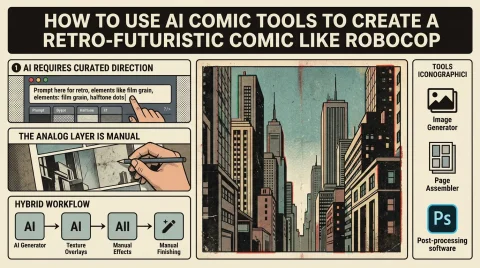
- Hybrid Workflows: Use AI for rough translations, then hire native speakers to polish key dialogue