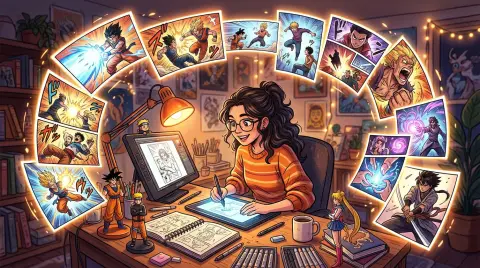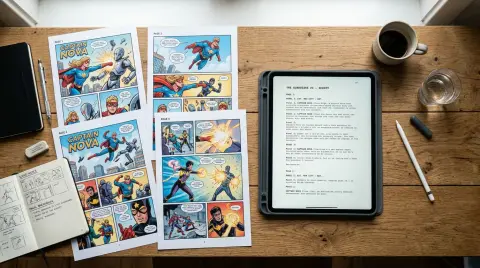
Learning how to make a webtoon used to require years of art school and mastery of complex software. In 2026, the landscape has shifted. Today, the most successful creators focus on story and pacing rather than just technical drawing skills. With the rise of AI-driven tools, anyone with a compelling narrative can enter the digital comic space. Whether you are a novelist looking to adapt your work or a fan with a great idea, this guide will show you how to navigate the modern webtoon ecosystem and build a loyal readership from the ground up.
The First Steps of Webtoon Creation
To learn how to make a webtoon in 2026, start by mastering the vertical scroll format. Focus on high-impact hooks in the first three episodes to retain readers. Use digital tools to streamline your workflow, ensuring you can maintain a consistent weekly or bi-weekly upload schedule for maximum growth.
Before you draw a single line or generate an image, you need a plan. Webtoons are unique because of their vertical format. Unlike traditional comics, readers scroll down on their phones. This means your pacing depends on the space between panels.
Start by creating a "Series Bible." This document should include:
- The Logline: A one-sentence summary of your story.
- Character Profiles: Names, motivations, and visual descriptions.
- The Core Conflict: What keeps the reader coming back?
- World Rules: Especially important for fantasy or sci-fi genres.
Once your foundation is solid, write your script. In 2026, many creators use a novel to webtoon converter to turn their existing prose into a panel-by-panel breakdown. This saves hours of manual formatting. Focus on dialogue that is snappy and easy to read on a small screen. Avoid large walls of text; let the visuals do the heavy lifting.
How to Make a Webtoon Without Drawing
You can make a webtoon without drawing by using AI-powered tools like TabStory. These platforms convert text scripts into fully realized panels. This workflow allows writers to focus on storytelling, pacing, and dialogue while the AI handles character consistency and background rendering for professional results.
Traditional drawing is no longer a prerequisite for webtoon success. The "Writer-Creator" model is the fastest-growing segment of the industry. By using an AI comic generator, you can bypass the years of anatomy practice and perspective study.
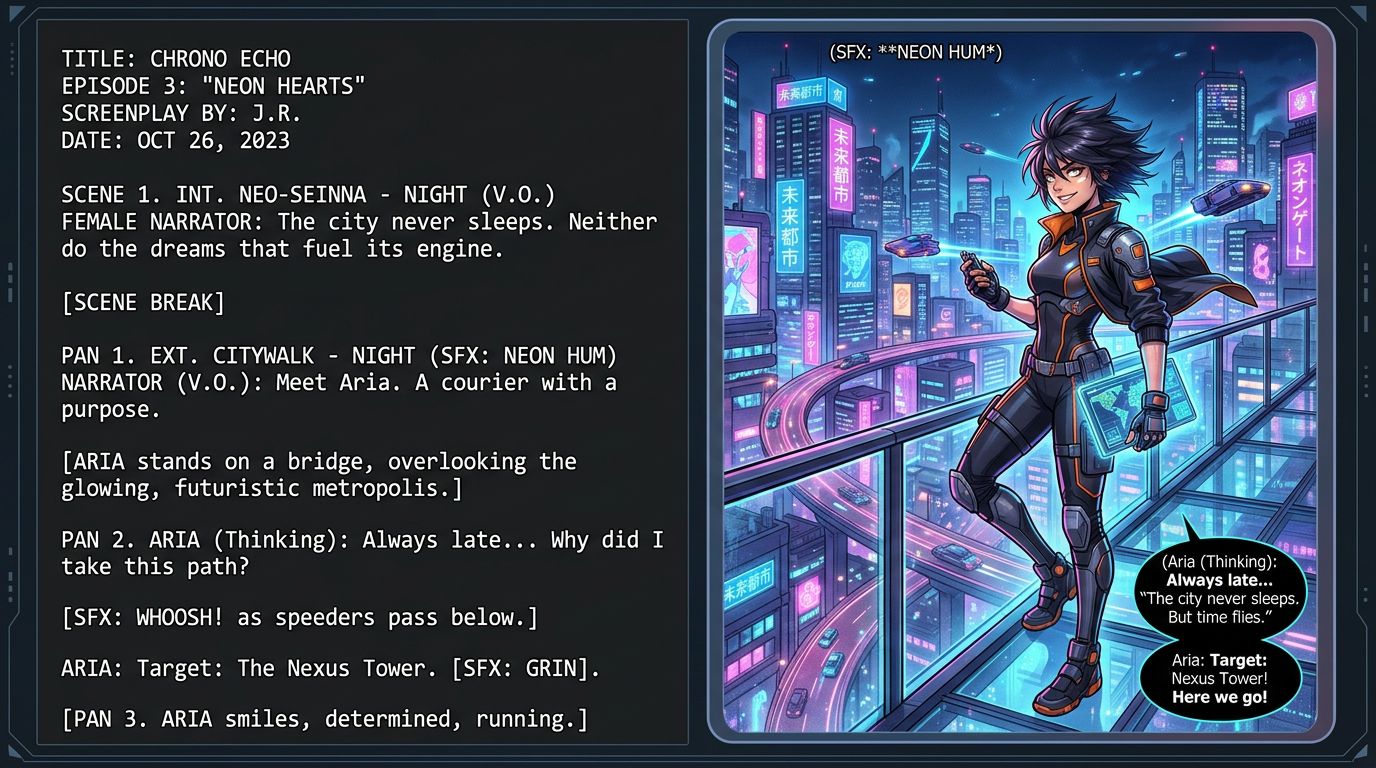
The key to this method is character consistency. In the past, AI struggled to keep the same character looking identical across different panels. In 2026, advanced models allow you to lock in a character's features. You simply describe the action and the emotion, and the tool generates the panel. This allows you to produce an entire episode in a weekend rather than a month. If you are interested in specific styles, you might also look into How to Make Manga Without Drawing Skills (2026 Workflow) to see how regional styles differ in production.
Selecting the Best Webtoon Maker for Your Project
Selecting the right webtoon maker depends on your technical skills and time constraints. While traditional software offers granular control, modern AI-driven platforms prioritize narrative speed. Choose a tool that supports character consistency across multiple panels, as this is the most challenging aspect of long-form visual storytelling today.
There are several tools available, each catering to different needs. Here is a factual comparison of the top choices in 2026:
| Tool | Best For | AI Features | Workflow Type |
|---|---|---|---|
| TabStory | Writers & Solo Creators | Advanced (Text-to-Panel) | Story-First |
| Clip Studio Paint | Professional Illustrators | Basic (3D Models) | Art-First |
| Photoshop | Graphic Designers | Medium (Generative Fill) | Manual Layout |
| Canva | Social Media Comics | Low (Templates) | Drag-and-Drop |
TabStory stands out for creators who want to move from script to final art without a middleman. It handles the heavy lifting of perspective and lighting. Clip Studio Paint remains the industry standard for those who want to hand-draw every detail but requires a steep learning curve. For most beginners, a story-first tool is the most practical entry point.
How to Make a Webtoon from Scratch in 2026
Learning how to make a webtoon from scratch requires a balance of narrative structure and visual pacing. In 2026, the process involves drafting a script, generating character sheets for consistency, and using vertical layout templates. Modern creators use AI to bridge the gap between their ideas and final art.
When you create a webtoon from scratch, you are the director, writer, and cinematographer. After your script is ready, you must tackle the storyboard. Storyboarding for webtoons is about the "flow."
- The Gutter: The white or black space between panels. Use large gutters to slow down time or create suspense. Small gutters create a sense of fast action.
- The Reveal: Place your big emotional moments or plot twists at the bottom of a long scroll. This forces the reader to physically engage with the reveal.
- Lettering: Use readable fonts like Wild Words or Ames. Keep bubbles centered and avoid placing them too close to the edge of the screen.
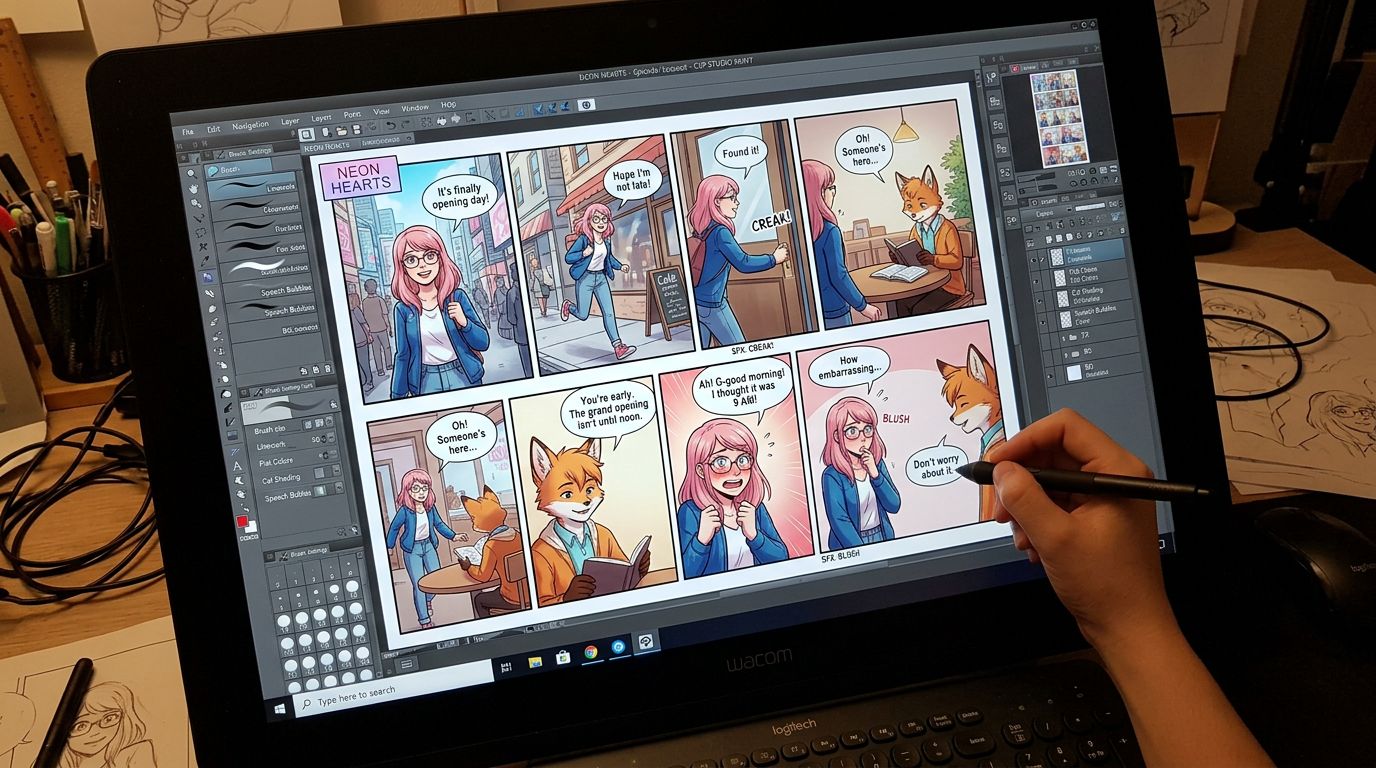
In 2026, the "from scratch" approach often involves using AI to generate backgrounds. Even if you draw your characters by hand, using AI for complex architecture or nature scenes can save you 50% of your production time. This hybrid method is becoming the standard for top-tier Canvas and Original creators.
Publishing and Growing Your Audience
Once your first three episodes are finished, it is time to publish. Do not wait until you have 20 episodes. The webtoon algorithm favors consistency and early engagement.
- Platforms: Webtoon Canvas and Tapas are the primary hubs. Each has a different demographic. Webtoon is great for romance and action, while Tapas often leans toward fantasy and novels.
- Thumbnails: Your thumbnail is your storefront. It must feature a clear, high-quality close-up of your main character's face. Use bright colors and high contrast.
- Social Media: Use TikTok and Instagram Reels to show "behind the scenes" clips. In 2026, readers love seeing the AI generation process or the speed-paint of a panel. This builds a personal connection with the creator.
Marketing is just as important as the art. Respond to comments, run polls, and engage with other creators in your genre. Cross-promotion is the fastest way to gain subscribers in a crowded market.
Frequently Asked Questions
Can I make a webtoon if I can't draw?
Yes. In 2026, many successful webtoon creators use AI tools like TabStory to generate their visuals. You provide the script and character descriptions, and the AI handles the rendering. Your primary role becomes the director and writer.
How much does it cost to start a webtoon?
Starting a webtoon can be free. Platforms like Webtoon Canvas do not charge to upload. AI tools often have free tiers or affordable subscriptions that are much cheaper than hiring a professional artist, which can cost $50-$200 per page.
How do I monetize my webtoon?
Once you reach a certain threshold of subscribers and views, you can apply for ad revenue sharing. Additionally, many creators use Patreon for early access episodes or sell physical merchandise and digital PDFs of their work.
Your Path to Webtoon Success
The barrier to entry has vanished. The only thing standing between you and a published webtoon is the decision to start. By leveraging modern tools and focusing on your unique voice, you can build a global audience from your laptop.
Ready to see your story come to life? Start your journey today with our AI comic generator and turn your script into a professional webtoon in minutes.